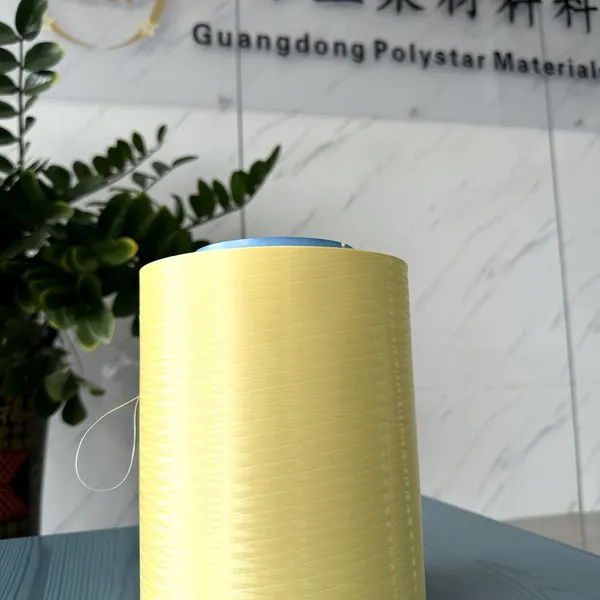
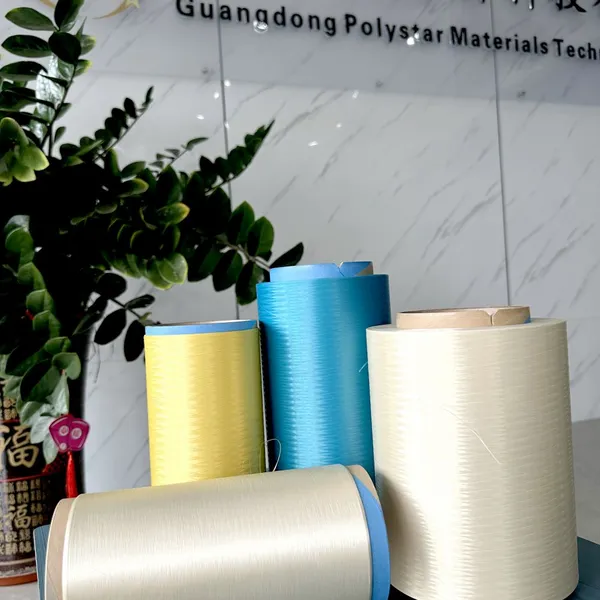
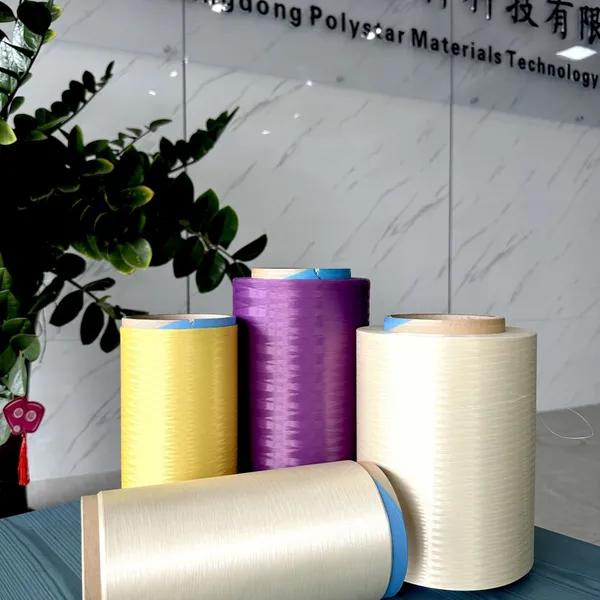
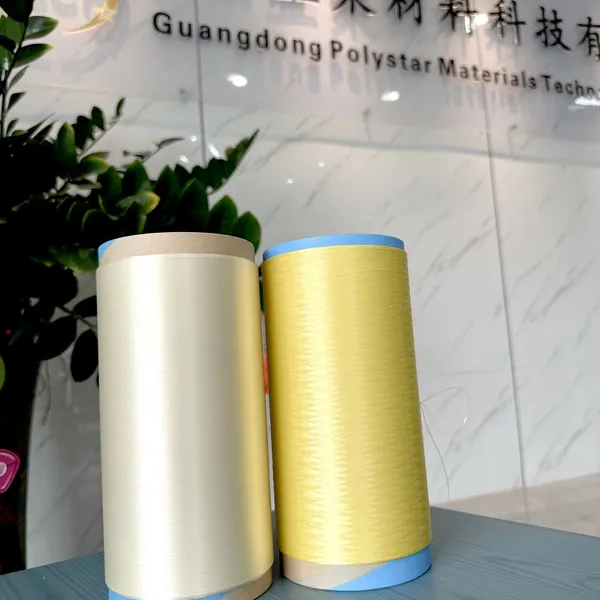
Business License
Dimensional Stability in Load-Bearing Systems: Why Rope Length Changes Over Time ?
Dimensional Stability in Load-Bearing Systems: Why Rope Length Changes Over Time ?
A rope does not need to break to become unsuitable for its application. Sometimes, changing length is enough.
In marine ropes, mooring systems, lifting structures, industrial webbing, cable strength members and precision tension systems, engineers often focus first on breaking strength.
But for many long-term load-bearing applications, another question can be equally important:
Will the system maintain its designed length after hundreds or thousands of hours under load?
That question leads directly to dimensional stability — and to one of the most misunderstood characteristics of synthetic fiber systems: creep.
Why Does a Synthetic Rope Change Length?
Rope elongation is not a single material property.
The length of a finished rope can change through several mechanisms, and understanding the difference between them is essential when comparing high-performance fibers.
1. Elastic Elongation
When load is applied, the fiber and rope stretch.
A substantial part of this deformation may recover when the load is removed.
Elastic elongation therefore describes the immediate load-response behavior of the system.
For lifting, tension control or precision positioning, even recoverable elongation can affect system movement and load distribution.
2. Constructional Elongation
A rope is not a perfectly straight bundle of fibers.
Its yarns and strands follow a structural path through twisting, braiding or laying.
During the first loading cycles:
· strands compact,
· fibers align,
· braid angles change,
· internal spaces close,
· terminations settle.
This creates constructional elongation.
Importantly, constructional elongation should not automatically be described as creep.
Samson Rope distinguishes the two clearly: creep is associated with time-dependent deformation of the fiber, while constructional elongation results from the rope structure adjusting under load.
That distinction matters when engineers evaluate a new rope.
3. Creep: When Time Becomes Part of the Design
Creep occurs when a material continues to deform while subjected to a sustained load over time.
For synthetic ropes, this means the fiber can gradually increase in length even though the applied static load has not increased.
This creates an important engineering difference.
A tensile test might tell us:
Can the fiber carry this load today?
A creep evaluation asks:
Will it maintain the required geometry after long-term loading?
Those are not the same question.
Imagine two tension members carrying an identical load.
At the beginning:
0 h — similar length
After prolonged loading:
100 h → 1,000 h → 10,000 h
their dimensional behavior can gradually diverge depending on fiber chemistry, stress level, temperature and service conditions.
For systems where geometry or tension must remain controlled, that difference can become critical.
Why Dimensional Stability Matters in Load-Bearing Systems
A gradual increase in length does not necessarily cause immediate rupture.
Instead, it can slowly change how the system operates.
Load redistribution
If one member becomes longer than the others, load sharing within a multi-line system can change.
Other members may begin carrying more of the total load.
Loss of positioning accuracy
In precision tethers, cable systems or tension structures, relatively small length changes may translate into positioning errors.
Retensioning requirements
Permanent dimensional change can require periodic adjustment or re-tensioning.
Change in system geometry
A load-bearing system designed around a specific installed length can gradually move away from its original configuration.
Reduced predictability
As dimensional change accumulates, the relationship between design condition and actual service condition becomes more difficult to control.
This is why breaking strength alone is not enough to describe long-term performance.
Dimensional Stability Is a System Property
One of the most important principles in rope engineering is:
A low-creep fiber does not automatically produce a low-creep finished rope.
The complete load path must be considered:
Fiber → Yarn → Twist → Strand → Rope Construction → Termination → Load → Environment
Final behavior can be influenced by:
· fiber modulus,
· fiber creep resistance,
· yarn twist,
· strand configuration,
· braid angle,
· preconditioning,
· operating load,
· temperature,
· moisture exposure,
· cyclic loading,
· abrasion,
· terminations.
This is why engineers should avoid treating fiber data and finished-rope performance as interchangeable.
For offshore applications in particular, DNV-RP-E305 takes a product-and-service approach: the objective is to document that the actual fibre rope product is fit for its designated offshore service.
Where LCP Fiber Enters the Discussion
Thermotropic Liquid Crystal Polymer fiber — commonly referred to as LCP fiber or TLCP fiber — has a highly oriented molecular structure produced during melt spinning.
This molecular orientation enables a useful combination of properties for dimensionally sensitive systems.
Commercial LCP fiber technology is associated with:
· high tensile properties,
· high modulus,
· low elongation,
· strong creep resistance,
· very low moisture absorption,
· dimensional stability,
· chemical resistance,
· abrasion resistance.
Kuraray identifies minimal creep and low moisture absorption among the key advantages of its LCP fiber in rope and sling applications, including utility ropes, robotic tethers, mooring lines and deepwater lifting.
For engineers, however, the value lies less in any single property than in the combination of stiffness, low creep and environmental stability.
High Strength and Low Creep Solve Different Problems
This distinction is especially important.
High strength asks:
How much load can the material withstand?
High modulus asks:
How much does it deform as load increases?
Low creep asks:
How well does it resist progressive deformation as time passes under sustained load?
A high breaking-strength value alone therefore cannot predict dimensional stability over a long service life.
For continuously loaded components, time becomes a design variable.
Samson notes that creep behavior depends on factors including material properties, load, temperature and duration.
A meaningful material comparison should therefore consider:
Load × Time × Temperature × Environment
rather than comparing breaking strength alone.
Why Moisture Matters Too
Dimensional stability is not governed only by mechanical load.
Environmental exposure also matters.
For marine and outdoor structures, fibers may experience:
· seawater,
· humidity,
· temperature cycling,
· coatings,
· repeated wet/dry exposure.
Moisture interaction can influence the mechanical or dimensional behavior of some polymer fibers.
Commercial LCP fiber is characterized by low moisture absorption, and this property is specifically highlighted for rope and cordage applications.
This makes LCP particularly interesting when engineers require more consistent dimensional behavior across changing environmental conditions.
The relevant question becomes:
Not only how strong is the fiber when dry — but how consistently will the structure behave throughout the real service environment?
Low Elongation Is Not the Same as Low Creep
These terms are often used together, but they should not be treated as synonyms.
Low elongation generally describes limited deformation during load application.
Low creep describes resistance to additional time-dependent deformation during sustained loading.
An engineering material can therefore show good initial tensile behavior but still require separate evaluation for long-term dimensional stability.
When specifying a load-bearing fiber, engineers should ask both:
What is the elongation at the intended working load?
and
What happens to that length after prolonged loading?
Where LCP Fiber Can Be Relevant
Marine & Offshore Rope Systems
Marine structures combine mechanical loading with water, humidity, abrasion and long service periods.
Where maintaining geometry is important, creep resistance and environmental stability deserve particular attention.
LCP fiber technology is already used commercially in areas such as mooring lines and deepwater lifting.
Lifting, Slings & High-Performance Webbing
In lifting structures, strength remains the primary safety requirement.
However, controlled elongation can also influence load positioning, response and repeatability.
LCP yarn may therefore be evaluated as a reinforcement option in applications requiring higher modulus or greater dimensional control.
Cable Strength Members
A cable strength member must carry tensile forces while limiting strain transferred to sensitive internal components.
For this reason, dimensional stability and creep resistance can become important design considerations in high-performance cables, umbilicals and tension members.
Robotics & Precision Tethers
Precision systems introduce another requirement:
position accuracy.
A small permanent length change in a tether can translate into a larger positioning deviation elsewhere in the system.
This makes low-creep materials particularly relevant where motion and geometry must remain repeatable.
Industrial Reinforcement Structures
Industrial belts, narrow fabrics, cords and reinforcement yarns may also be subjected to prolonged tension.
Where progressive elongation causes tracking, tension or dimensional-control issues, material creep should be considered during fiber selection.
Do Not Ask: “Which Fiber Is Best?”
A better question is:
What failure mode are we trying to control?
Different fiber families solve different engineering problems.
If the challenge is:
Water absorption
→ investigate moisture-related dimensional stability.
Excessive initial stretch
→ investigate modulus and working-load elongation.
Progressive length increase
→ investigate creep.
High-temperature exposure
→ investigate thermal stability.
Surface wear
→ investigate abrasion resistance and rope protection.
Repeated bending
→ investigate fatigue behavior.
Long-term dimensional change
→ evaluate the complete interaction between fiber, rope construction, load, temperature, environment and time.
This approach is more useful than asking whether LCP, UHMWPE, aramid, polyester or nylon is universally “better.”
There is no universal best fiber.
There is only a better fit for a defined engineering requirement.
From LCP Yarn to a Qualified Rope System
For an engineering team evaluating LCP fiber, a practical development process should move from material properties to finished-system validation.
Step 1 — Define the service condition
Identify:
· working load,
· peak load,
· required service life,
· allowable elongation,
· temperature range,
· moisture or seawater exposure,
· cyclic or static loading.
Step 2 — Characterize the yarn
Measure relevant properties such as:
· linear density,
· breaking force,
· tenacity,
· elongation,
· modulus,
· consistency.
Step 3 — Optimize rope construction
Evaluate:
· yarn twist,
· strand count,
· braid geometry,
· coatings,
· fiber protection.
Step 4 — Separate constructional stretch from material creep
Precondition the rope where appropriate and distinguish structural settling from true time-dependent fiber deformation.
Step 5 — Conduct sustained-load testing
Evaluate dimensional change under a defined combination of:
Load × Time × Temperature
Step 6 — Validate the finished product
The final rope, sling, cable or textile structure should be evaluated under conditions representative of its intended service.
This system-level approach is essential because raw fiber performance is only the starting point.
The Engineering Takeaway
For a long-term load-bearing system, the most important question may not be:
“When will this rope break?”
It may be:
“How much will this rope change before it breaks?”
That difference changes how materials should be selected.
Engineers evaluating long-life rope and tension systems should consider:
Strength + Modulus + Elongation + Creep + Moisture + Temperature + Construction + Time
rather than relying on a single breaking-strength number.
For applications in which maintaining length and geometry is critical, LCP fiber deserves consideration because of its combination of high modulus, low creep, low moisture absorption and dimensional stability.
At TLCP Fiber, we specialize in LCP fiber yarn for high-performance industrial applications.
Our approach is not simply to ask:
“Which yarn specification do you need?”
A more useful starting point is:
What load must the system carry?
How much elongation is acceptable?
How long must that dimension remain stable?
Those questions turn a fiber specification into an engineering solution.
www.tlcpfiber.com
Discussion for Rope & Materials Engineers
In your load-bearing system, which factor is hardest to control over the full service life — creep, constructional elongation, fatigue, abrasion, moisture or temperature?
#LCPFiber #TLCPFiber #DimensionalStability #LowCreepFiber #RopeEngineering #SyntheticRope #MarineEngineering #OffshoreEngineering
Recently Posted
-
Guangdong Polystar’s TLCP® Fiber Wins 2026 Outstanding Quality Award
August 21, 2026Guangdong Polystar’s TLCP® Fiber Wins 2026 Outstanding Quality AwardRecently, the 2026 Aramid Industry Selection result was releas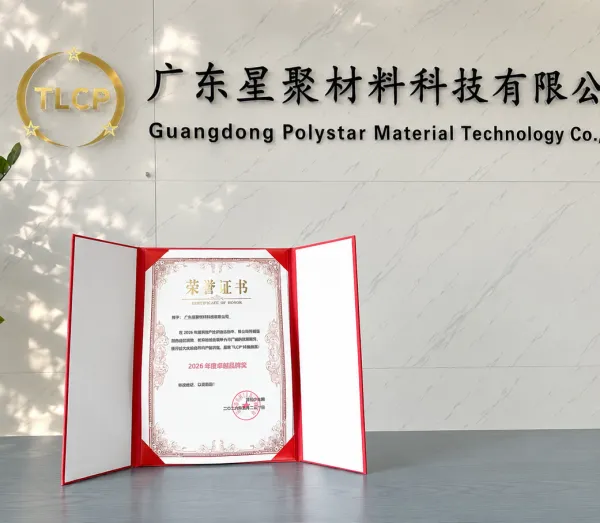 Read More
 -
Guangdong Polystar Materials has been officially enlisted in Guangdong's 2025 Batch IV Sci-Tech SME
August 21, 2026Another milestone checked off.Guangdong Polystar Materials has been officially enlisted in Guangdong's 2025 Batch IV Sci-Tech Read More
 -
Guangdong Polyster Materials Named to Dongguan's 2025 Provincial SRDI SME List
August 21, 2026Guangdong Polyster Materials Named to Dongguan's 2025 Provincial SRDI SME ListDONGGUAN, China – 🎉 Milestone moment for us.July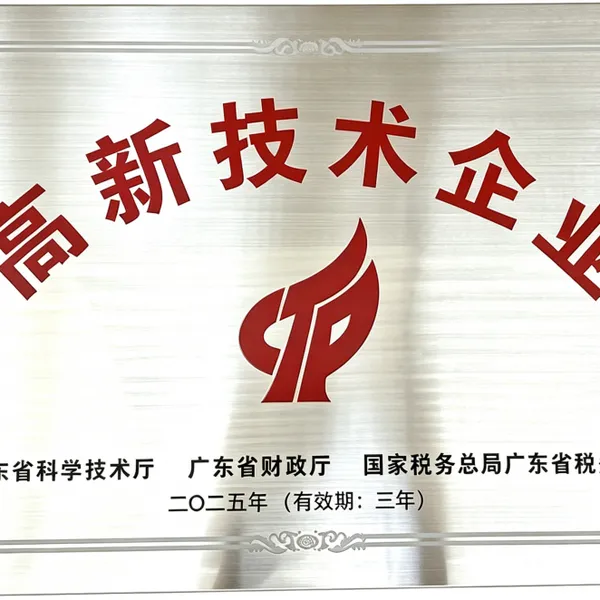 Read More
 -
Guangdong Polystar Materials Wins 2026 Development Potential Award
August 11, 2026Guangdong Polystar Materials Wins 2026 Development Potential Award, Leading Domestic LCP Polyarylate Fiber LocalizationShanghai, M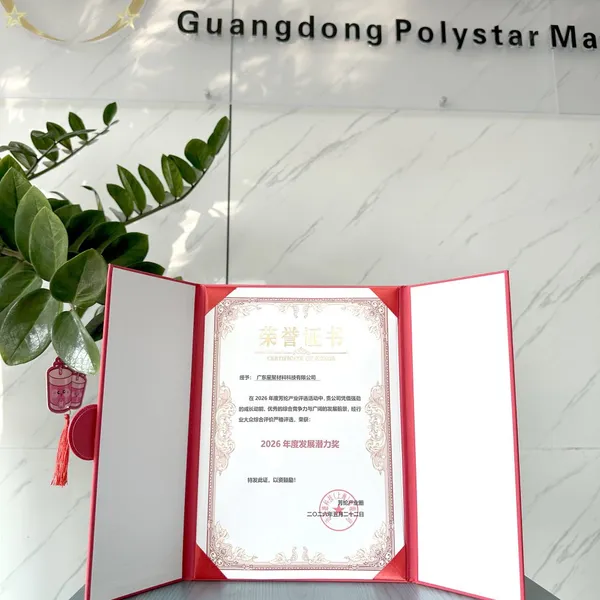 Read More

Contact Us

Recommended Products
-
 Low Elongation LCP Fiber Yarn for Dimensionally Stable Rope and WebbingUS$ 21 - 82MOQ: 100 Kilograms
 -
High Modulus LCP Fiber Yarn for Low-Elongation Structural ReinforcementNegotiableMOQ: 1 Kilogram
-
High Tensile Strength LCP Fiber Yarn for Industrial ReinforcementNegotiableMOQ: 1 Kilogram
-
Liquid Crystal Polymer Fiber Exporter for High-Performance ReinforcementNegotiableMOQ: 1 Kilogram
-
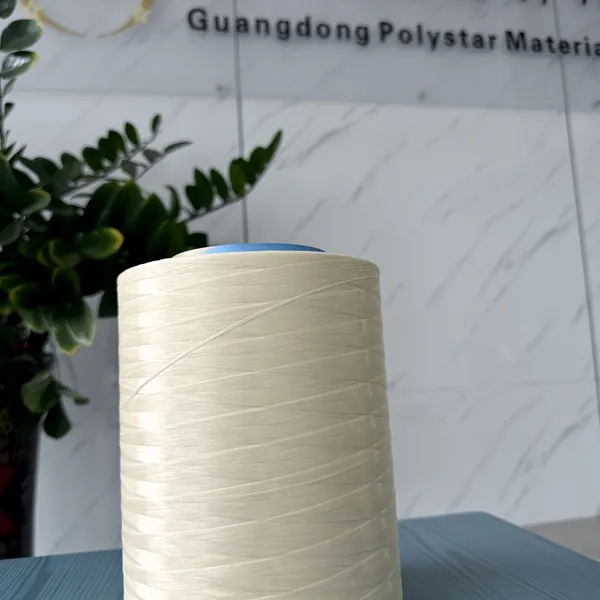
TLCP Fiber Yarn Producer for Industrial Rope and Technical WebbingNegotiableMOQ: 1 Kilogram

-
LCP Fiber Yarn Factory for Cable Strength Member ReinforcementNegotiableMOQ: 1 Kilogram
-
High Tenacity LCP Yarn Manufacturer for Marine Rope and NettingUS$ 21 - 82MOQ: 100 Kilograms
-
Low Fuzz LCP Fiber Yarn With Consistent Linear Density High PerformanceNegotiableMOQ: 1 Kilogram
-
Thermally Stable LCP Fiber Yarn With Low Thermal ShrinkageNegotiableMOQ: 1 Kilogram
-
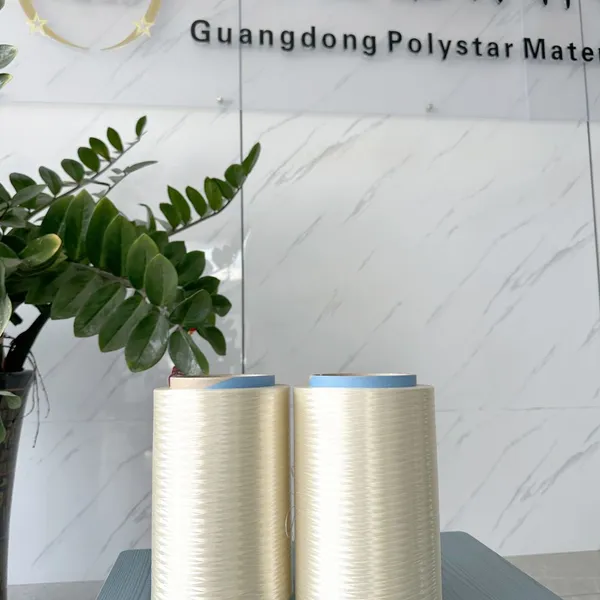
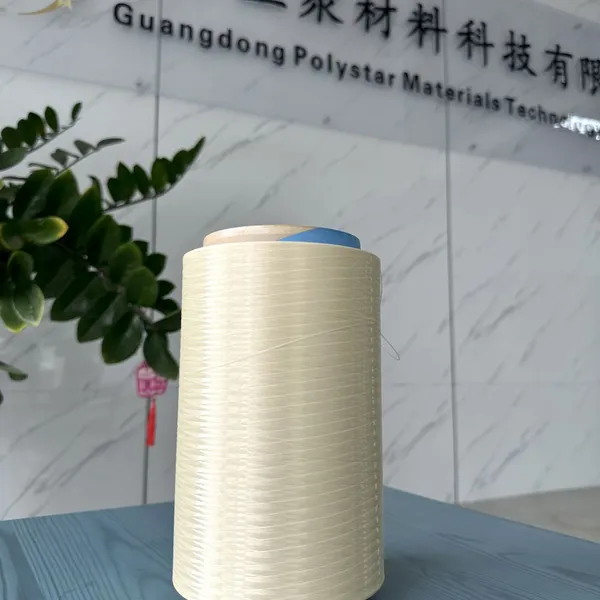
Abrasion Resistant LCP Multifilament Yarn for Technical TextilesNegotiableMOQ: 1 Kilogram
-
Chemical Resistant LCP Fiber Yarn for Extreme Environment ApplicationsNegotiableMOQ: 1 Kilogram
-
High-Stiffness LCP Fiber Yarn for Lightweight Structural ReinforcementNegotiableMOQ: 1 Kilogram
-
TLCP Fiber Yarn With High Tensile Strength and Long-Term DurabilityNegotiableMOQ: 1 Kilogram
-
Liquid Crystal Polymer Fiber Yarn With Outstanding Dimensional StabilityNegotiableMOQ: 1 Kilogram
-
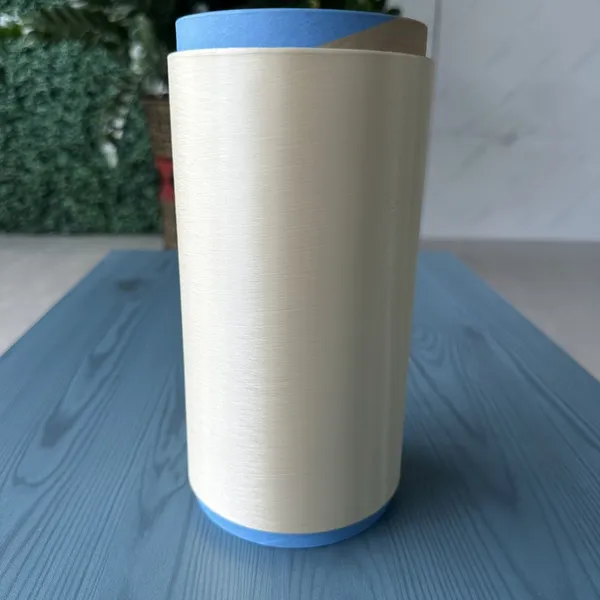
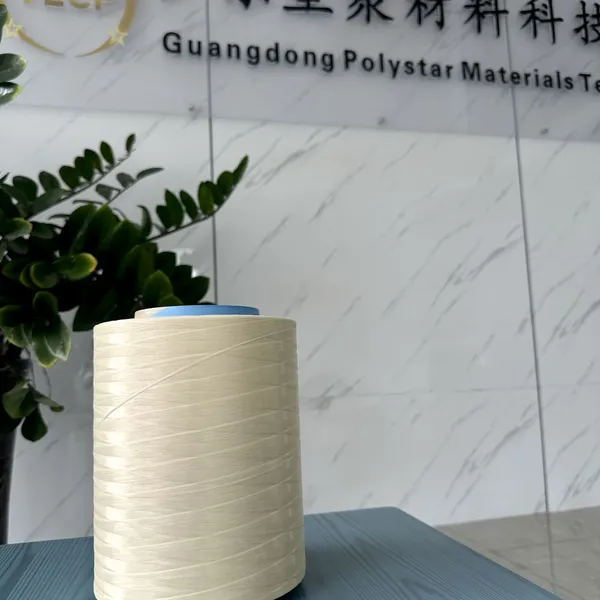
High Performance LCP Multifilament Yarn With Ultra-Low Moisture AbsorptionNegotiableMOQ: 1 Kilogram
-
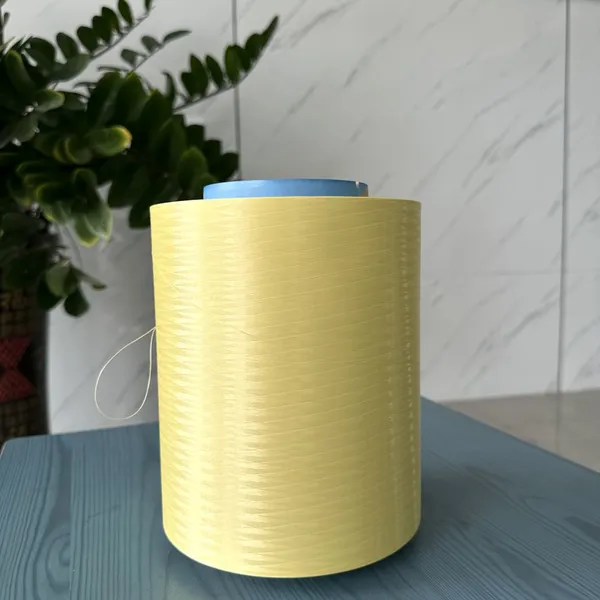
High-Performance LCP Fiber Yarn With Excellent Creep ResistanceNegotiableMOQ: 1 Kilogram
-
High Tenacity LCP Fiber Yarn With High Modulus and Low ElongationNegotiableMOQ: 1 Kilogram
-
Moisture-Resistant Dielectric LCP Fiber for 5G Cable ReinforcementNegotiableMOQ: 1 Kilogram
-
LCP Fiber Yarn With Stable Dielectric Properties for RF Cable SystemsNegotiableMOQ: 1 Kilogram
-
Low Signal Loss LCP Fiber Yarn for High-Frequency Wire Harness BraidNegotiableMOQ: 1 Kilogram